Investigating the Effects of the UniReliever® Knee Brace Using Analysis of a Novel Digital Platform, MAI Motion
Tanvi Verma • Yan Wen • Paul Lee • Lei Zhang • Xujiong Ye
Highlight
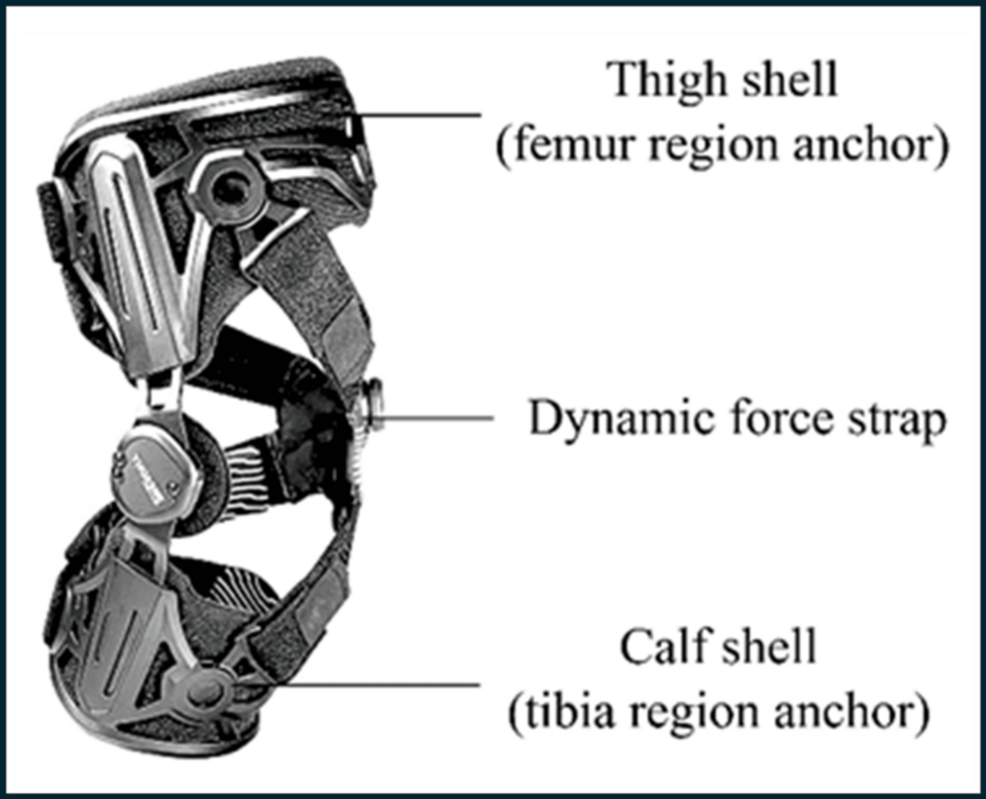
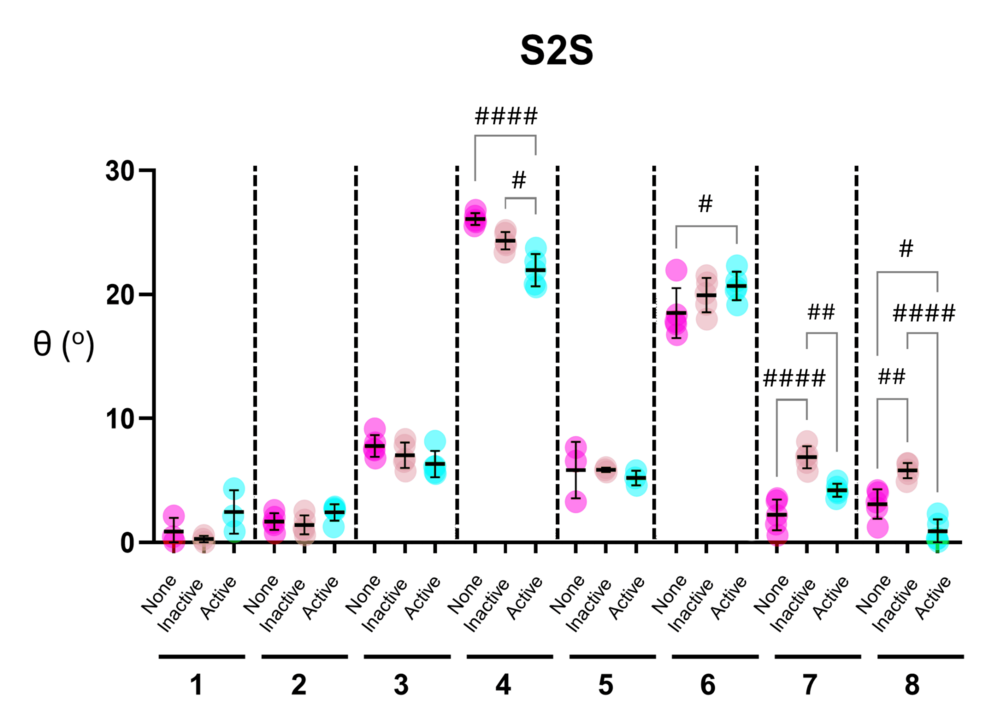
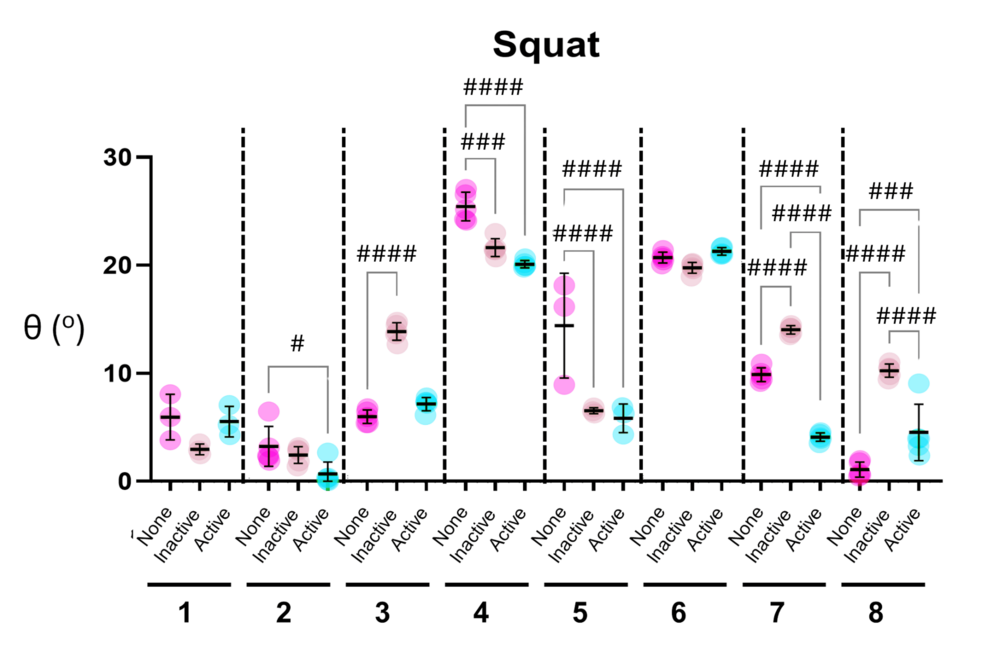
This study investigated whether the UniReliever knee brace could alter knee biomechanics in patients with knee osteoarthritis, using MAI Motion, a novel markerless motion capture platform. Eight participants performed repeated sit-to-stand and squat movements under three conditions: no brace, inactive brace, and active brace with offloading. The results showed that the active brace significantly improved knee alignment in a proportion of patients, particularly during squat movements, however responses varied between individuals. The findings suggest that brace effectiveness may depend on patient-specific biomechanical factors.
Furthermore, the study also demonstrated the value of MAI Motion as an objective tool for assessing functional knee movement in a clinical setting using standard RGB video capture. The platform was able to detect subtle biomechanical differences across brace conditions and between individuals, supporting its potential role in monitoring treatment response and optimising conservative interventions such as offloading braces. While limited by a small sample size, the study provides early evidence that digital motion analysis may help personalise non-operative management for knee osteoarthritis and improve confidence in brace fitting and use.
Office
Subscribe to our Newsletter
We deliver high quality blog posts written by professionals weekly. And we promise no spam.



© 2025 MAI Motion. All Rights Reserved.